
Planting Tips

Encouraging lizards to your garden

Add ontro content here if you like, or just delete this box….Trees for Canterbury was founded in 1990 and has developed into a fully functional nursery and welfare-providing organisation. Trees for Canterbury is strongly linked to the local community, providing environmental education, providing native plants and undertaking planting’s with community organisations and schools throughout Canterbury.
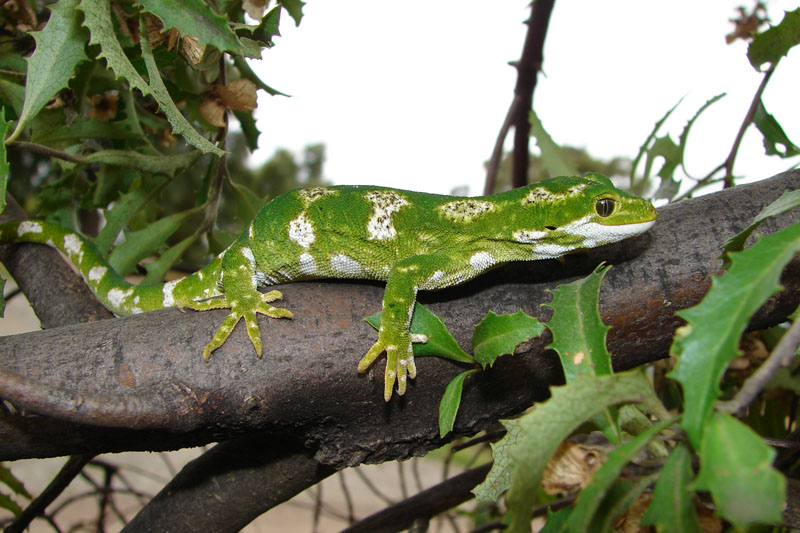
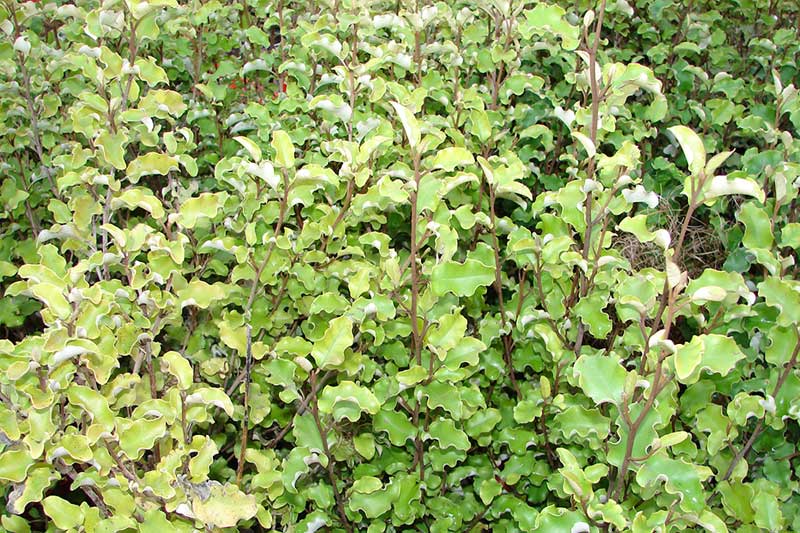
Lizards need warm, dry, sunny spaces with plenty of cover. Untidy corners are perfect — they offer protection from predators and shelter from extreme heat or cold.

  • Stack loose rock piles using stones, bricks, or old concrete to create cracks and crevices for hiding and basking. Old scoria dry-stone walls are ideal.
  • Create wood piles with logs and branches and leave them undisturbed to slowly rot — fungi and insects will attract lizards.
  • Mulch with chunky bark and allow leaf litter to build up under trees where you don’t mow.
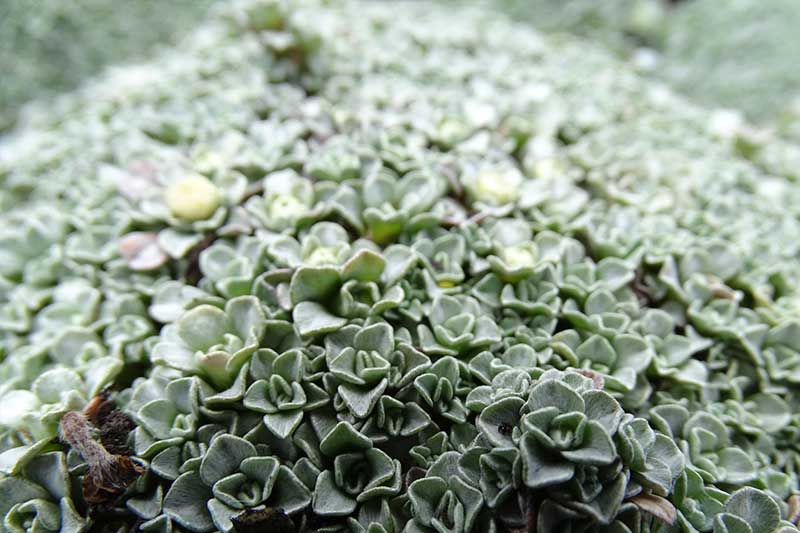
  • Include dense, low-growing plants and groundcover so lizards can quickly escape danger.

Lizards prefer narrow gaps (about 5–19 mm wide) and like multiple hiding spots, as many are territorial. Once established, avoid disturbing their homes.

Plant thickly to create safe pathways and year-round food sources.

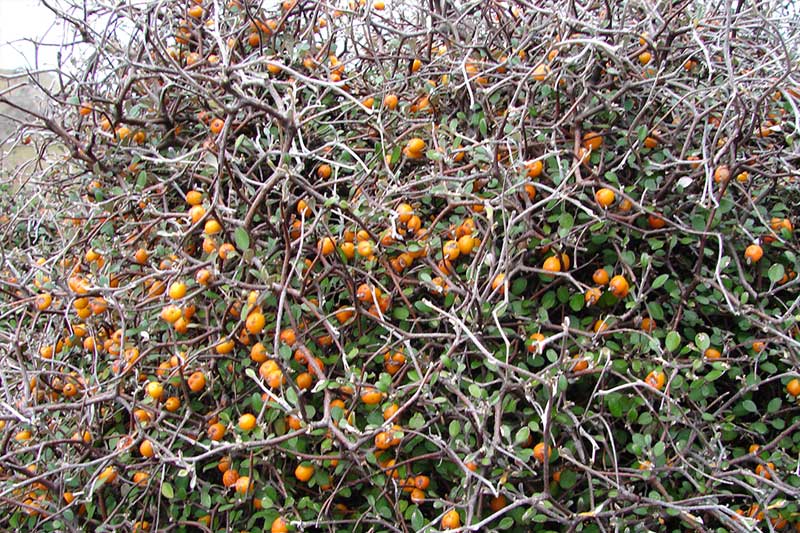
  • Fruiting shrubs: Coprosma, Muehlenbeckia, kawakawa
  • Nectar plants: Flax, mānuka, rātā
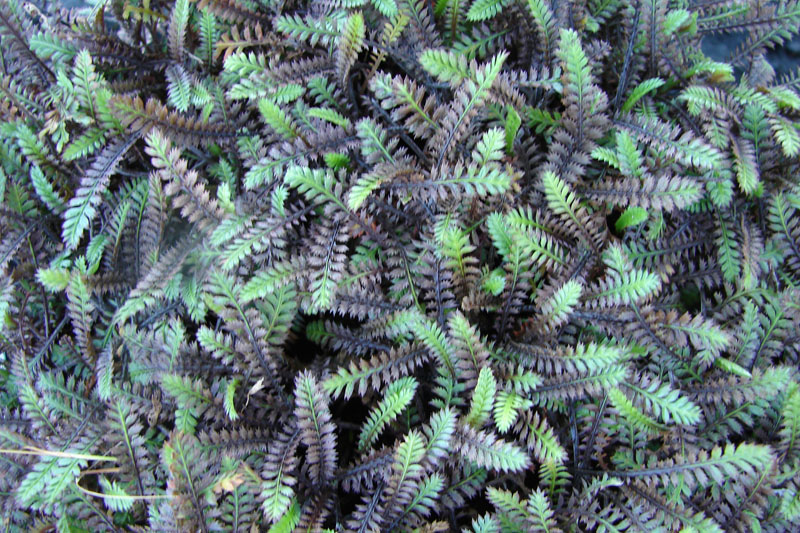
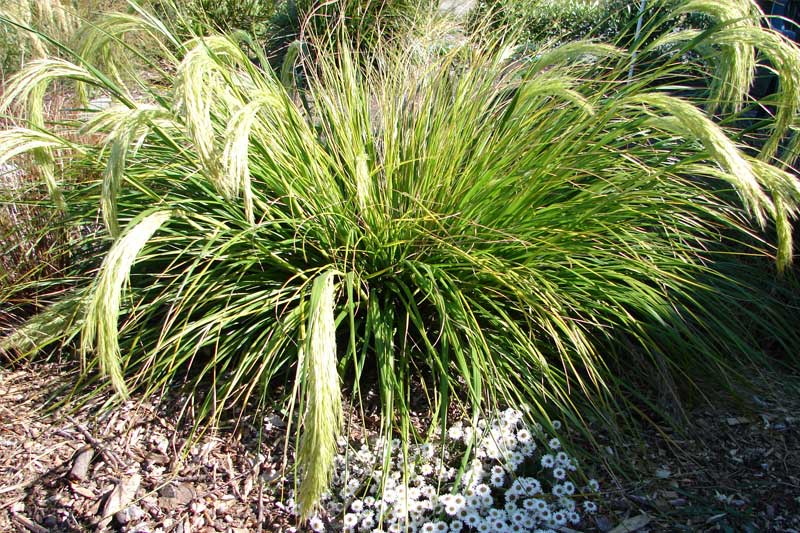
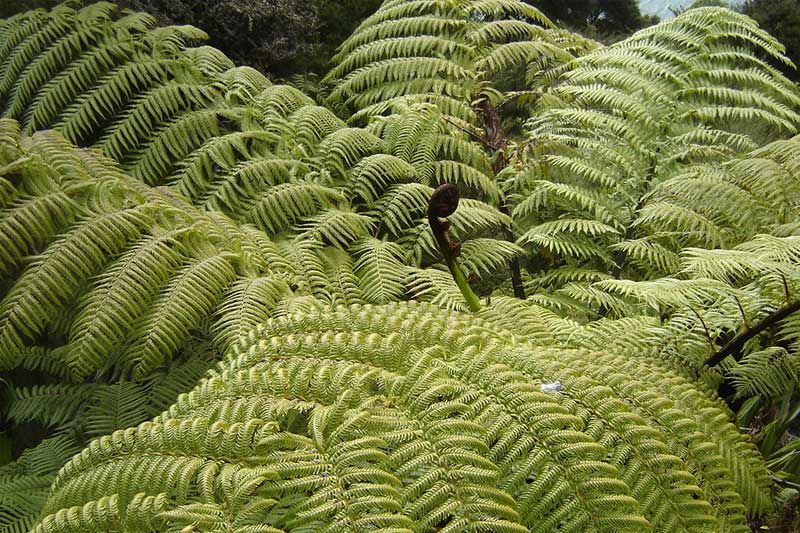
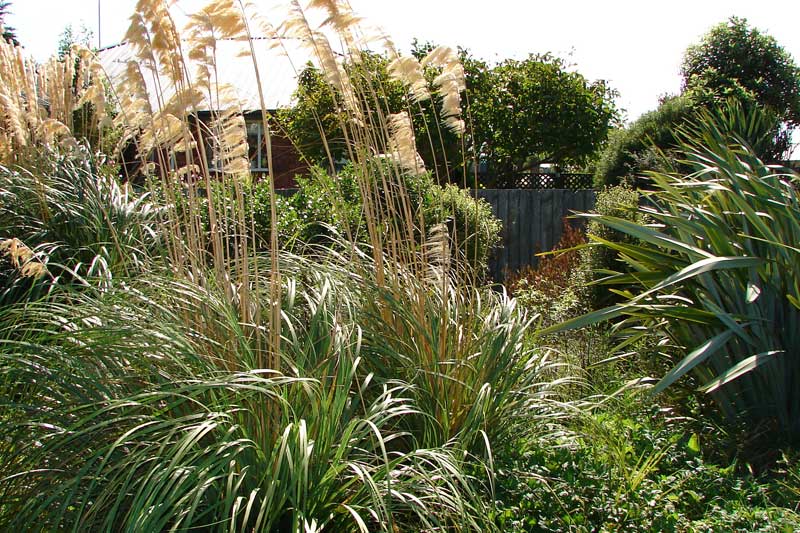
  • Dense ground cover & insect habitat: Ferns, tussocks, renga renga
  • Vines & climbers: Connect habitats
  • Clumping plants: Cabbage trees provide shelter

A variety of plants ensures food, shelter, and protection for lizards throughout the year.

Cats are a major predator of lizards. Protect wildlife by:

  • Neutering or spaying your cat
  • Keeping cats well-fed and entertained with toys
  • Bringing cats indoors at night
  • Fitting a bell to their collar
  • Trapping for predators and pests where appropriate

If lizards have disappeared from your area, it may take time for them to return. Create the right conditions and wait — with food, shelter, and safety, they may soon make your garden home.

Did you know? Lizards help disperse seeds and may even pollinate some native plants, making them an important part of a healthy garden ecosystem.

  • Aciphylla ssp.
  • Anemanthele lessoniana
  • Arthropodium cirratum
  • Aristotelia fruiticosa
  • Carex ssp.
  • Chionochloa ssp.
  • Clematis ssp.
  • Coprosma ssp.
  • Corokia ssp.
  • Cordyline australis
  • Discaria toumatou
  • Festuca ssp.
  • Fuchsia procumbens
  • Gaultheria antipoda
  • Hoheria angustifolia
  • Leptospermum scoparium
  • Leucopogon fasciculatus
  • Melicytus alpinus
  • Muehlenbeckia astonii
  • Muehlenbeckia complexa
  • Parsonia ssp.
  • Pimelea prostrata
  • Poa ssp.
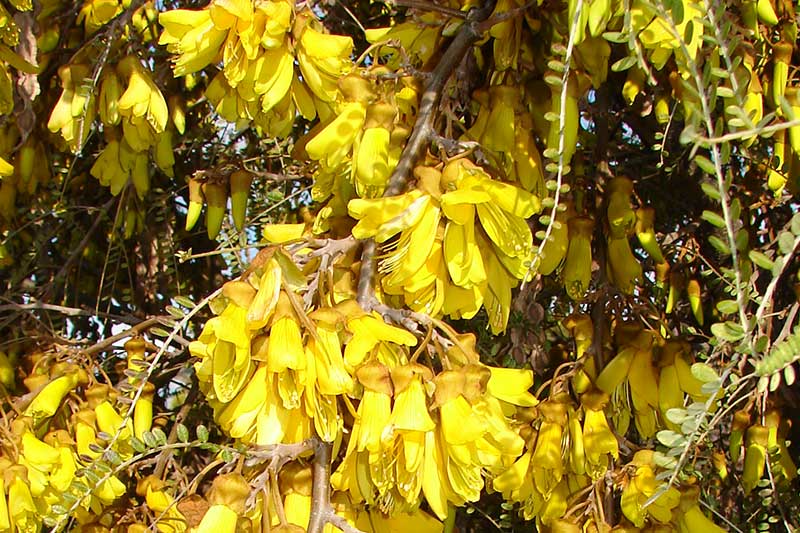
  • Sophora microphylla
Encouraging lizards to your garden-tips