
Planting Tips

Create A Water-Wise Garden

The goal of a water-wise garden is to be both beautiful and resilient, thriving with minimal water. Outdoor water use makes up a large portion of household consumption, especially in summer, but research shows that applying simple water-wise techniques can save significant amounts.

Water-wise gardening involves thoughtful watering practices, mulching, adding organic matter, choosing the right plants and careful garden design to create a sustainable, low-maintenance garden.
Most garden plants need less water than you might think. Watering lightly and frequently encourages shallow roots, while a deep soak once every 10 days helps plants develop strong root systems.

  • Check soil moisture by digging to spade depth – water only if the soil feels dry.
  • Water in the cool of morning or evening to reduce evaporation.
  • Use a watering can or hand-held hose, directing water to the base of the plant.
  • When planting, create a saucer-shaped dip around the base so water pools where it’s needed.

Mulching helps retain moisture, suppress weeds, and improve soil quality.

  • Mulches can include bark chips, gravel, or pea straw, with bark mulch recommended for most native plants.
  • Apply a thick layer (5–10 cm) for maximum water retention.

Adding organic matter improves the soil’s ability to hold moisture.

  • Use compost, Sphagnum moss, or similar products when planting.
  • Organic matter not only retains water but also enriches the soil for healthier plants.

Plan your garden so that plants with similar water and soil needs are grouped together.

  • Choose dry-hardy species and consider trees or shrubs suited to low-water conditions.
  • Grouping plants by their requirements helps reduce unnecessary watering and keeps the garden thriving naturally.

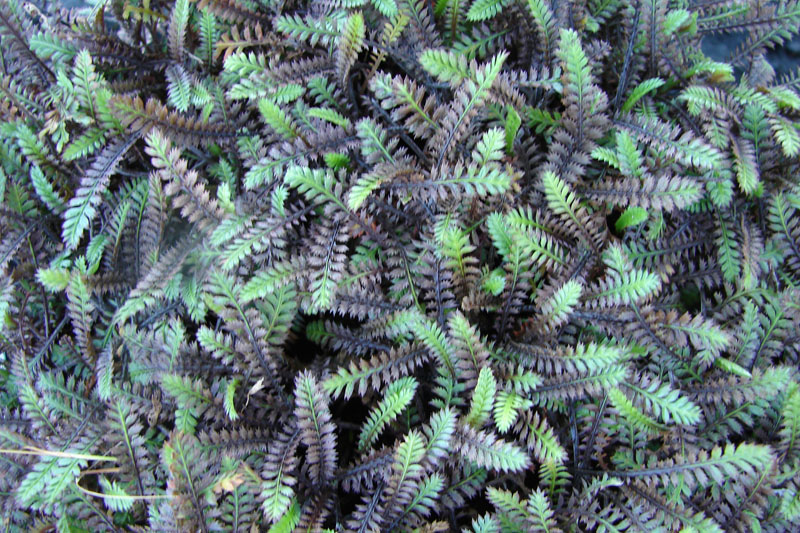
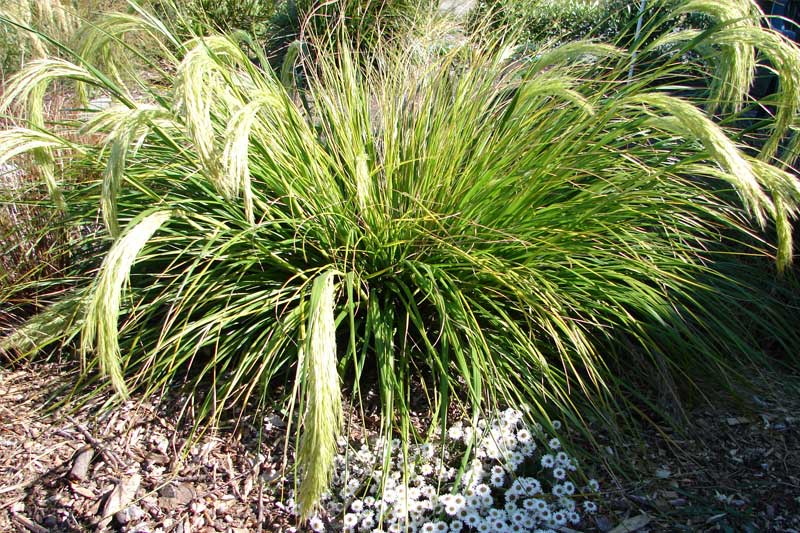
Once established, many plants can survive a dry summer with minimal watering. Consider using native or drought-tolerant species to create resilient, water-wise garden beds.

  • Brachyglottis spp.
  • Carmichaelia spp.
  • Coprosma spp. and cultivars
  • Corokia spp. and cultuvars
  • Cordyline spp. and cultivars
  • Dodonaea viscosa
  • Hebe spp. and cultivars
  • Linum monogynum
  • Myoporum laetum
  • Olearia ssp.
  • Pachystegia insignis
  • Phormium ssp.
  • Pittosporum ssp.
  • Pseudopanax ferox
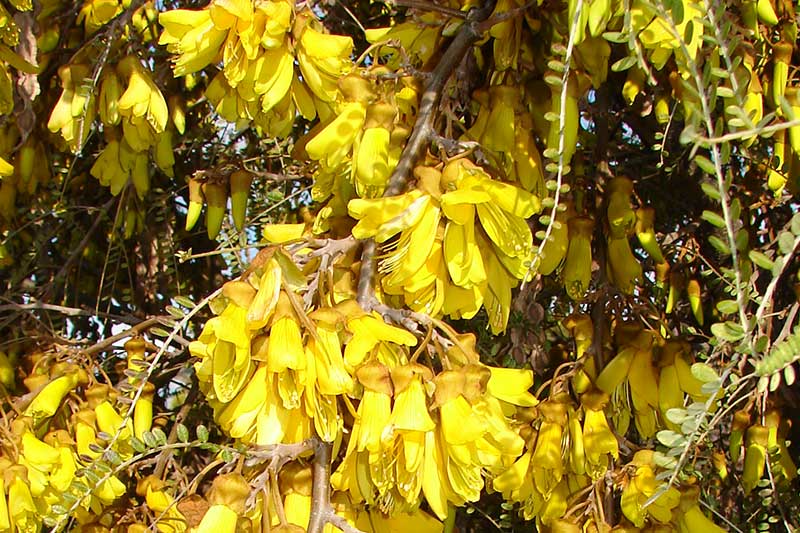
  • Sophora ssp.
Create-a-water-wise-garden-tips