Planting Tips

Planting a coastal garden

New Zealand has an extensive coastline, and many of us live and garden close to the sea. While coastal conditions can be challenging, there is a wide range of native plants well suited to these environments — including some half-hardy species that thrive in the generally milder coastal climate.

The main challenge in coastal gardens is exposure. Strong sea breezes, salt-laden winds, and often dry, nutrient-poor sandy soils can make plant establishment difficult. Creating effective shelter from prevailing winds is essential, as protected areas allow a much wider range of plants to grow successfully. Temporary fencing may be needed to protect young shelter plants until they are established.

Improving sandy soils with added organic matter can also help retain moisture and nutrients, giving plants a stronger start in coastal conditions.
  • Acaena sp.
  • Calystegia soldanella
  • Coprosma sp.
  • Disphyma australe
  • Euphorbia glauca
  • Fuchsia procumbens
  • Muehlenbeckia astonii
  • Pimelia prostrata
  • Samolus repens
  • Selliera radicans
  • Aciphylla sp.
  • Arthropodium sp.
  • Astelia fragrans
  • Carex comans
  • Carex comans ‘Frosted Curls’
  • Carex littorosa
  • Carex testacea
  • Carex trifida
  • Chionochloa sp.
  • Libertia sp.
  • Phormium sp.
  • Xeronema callistemon
  • Asplenium oblongifolium
  • Dicksonia squarrosa
  • Polystichum richardii
  • Brachyglottis ssp.
  • Coprosma lucida
  • Coprosma repens
  • Corokia ssp.
  • Hebe sp.
  • Leptospermum scoparium
  • Linum monogynum
  • Melicytus ssp.
  • Meryta sinclairii
  • Myrsine australis
  • Olearia ssp.
  • Pachystegia ssp.
  • Ozothamnus ssp.
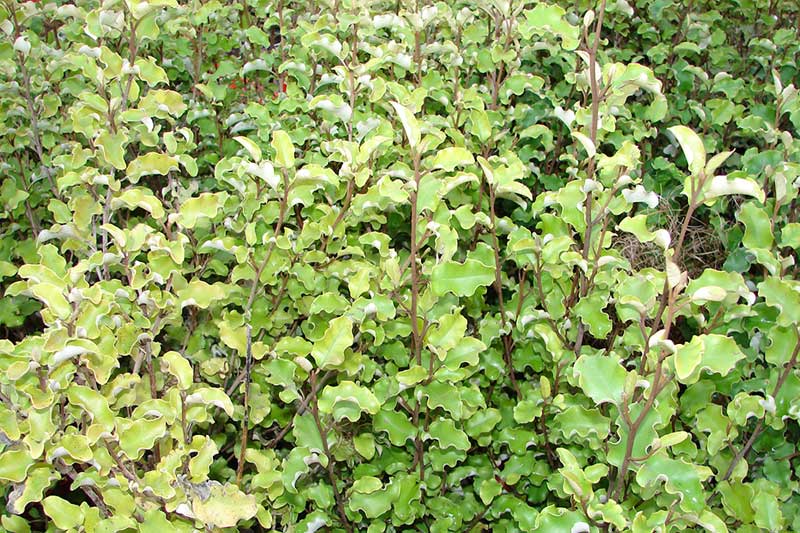
  • Pittosporum ssp.
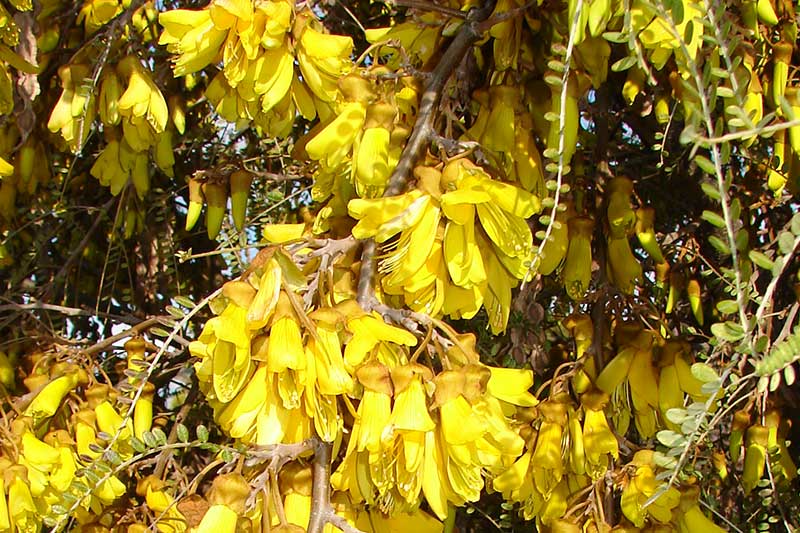
  • Sophora Dragons Gold
  • Alectryon excelsus
  • Coprosma robusta
  • Corokia buddleioides
  • Cordyline australis
  • Dodonea viscosa
  • Entelea arborescens
  • Griselinia ssp.
  • Metrosideros ssp.
  • Myoporum laetum
  • Pittosporum ssp.
  • Podocarpus ssp.
  • Vitex lucens
Coastal-garden-tips