Plantings

Plantings

Members of the public are warmly invited to take part in our planting events across Christchurch and Banks Peninsula. Our plantings are in partnership with the Christchurch City Council’s Regional Parks Team, and local organisations, and volunteer groups.

We are holding 9 plantings this year for the planting season.

Sunday 3rd May
10am – 12pm

Location: 

54 Charlesworth St, Woolston, Christchurch 8023, New Zealand


Charlesworth Reserve covers 20 ha and has been developed over the last 19 years as a restoration of key estuary-edge ecosystems including a tidal lagoon, salt-meadow, salt-marsh and coastal bush. Following on from the initial installation of culverts to allow tidal flows to enter the reserve and coverage of the site with a mix of planted and self-regenerated indigenous vegetation zones, the next phase has begun which includes the new cycleway, new bridges and additional walking tracks, installation of new way-finding and plant ID signage, habitat diversification, and an up-scaled predator control programme aimed at making the reserve a safe receiving area for reintroductions of locally extinct butterflies, insects, lizards and birds.
Saturday 6th June
1pm – 3pm

Location: 

The end of Bayview Road, which runs off the Main Road in Moncks Bay


The vision behind Barnett Park is to restore the Valley with a native forest running from Sea to Summit.
The result would be a valley full of native plants: a wet land dominated with kahikatea on the flat land beyond the dog walking area, through mature trees and plants running past the caves and up through the bluffs to the top. The valley would have walking tracks and be the home to many species of native birds and lizards.
Saturday 20th June
10am – 12pm

Location: 

Styx Mill Reserve through the Hussey’s Road entrance. Follow the signs on the day.


The Pūharakekenui/Styx River area was historically a rich mahinga kai for local Māori, with extensive wetlands providing food such as eels, lamprey, freshwater crayfish, quail, duck, fern root, and cultivated crops like potatoes and turnips. Wetland areas were carefully managed by hapū and whānau, strengthening community relationships through shared food gathering. The river was later used by European settlers for farming and milling, powering sawmills and a flour mill established in 1861, before milling ceased around the time of World War I. In the late 20th century, the area became the Styx Mill Conservation Reserve, valued for its ecological significance, native vegetation, and birdlife. Once home to around 39 bird species in the 1850s—19 of which were later displaced—improving habitats have seen some species return. The basin has long served as a natural flood retention area, a function it continues to perform today.
Sunday 19th July
10am – 12pm

Location: 

Wilmers Road Conservation Reserve, with entrance and parking beside the Fire Station on Wilmers Road off the Shands Road end.


This small (1.5 hectare) reserve at the intersection of Wilmers Road, Springs Road and Halswell Junction Road is another Schedule-A Site of Ecological Significance in the Christchurch District Plan. Although small and degraded, it is one of the few remaining areas of dry plains ecosystem outside of McLeans Island. Recently Parks Unit ecologists have prepared an ecological restoration plan for the site which includes restoration plantings that would support a translocated lizard population. Plant communities proposed for establishment include dry terrace grassland, river channel moss fields, dense kanuka/kowhai-dominated scrub and matagouri/mikimiki shrubland ecotones.
Sunday 2nd August
10am – 12pm

Location: 

By the cafe area. Park along the main drive. The site is up the hill where we are infilling an older planting site. Follow the signs.


Orton Bradley Park is a 650-hectare heritage park on Banks Peninsula, established in 1899 when Orton Bradley purchased the land, with the Orton Bradley Park Trust later formed to manage and protect it. The park features extensive native planting and regeneration projects that support rich biodiversity, alongside areas of historic farmland and gardens. Ongoing conservation work focuses on habitat restoration and maintaining a largely pest-controlled environment to protect native birds and wildlife. Today, the Trust continues to oversee the park as a recreational and ecological treasure for the Canterbury community.
Saturday 15th August
10am – 12pm

Location: 

Southshore Spit Reserve, 7 Stilt Ln, Southshore, Christchurch 8062, New Zealand


Southshore Spit Reserve is a narrow coastal sandspit at the edge of the Avon–Heathcote Estuary, valued for its ecological uniqueness and rich birdlife. The reserve provides important habitat for a diverse range of shorebirds and wading species, including migratory birds that rely on the area for feeding and roosting. Its mix of sand dunes, mudflats, and saltmarsh creates a dynamic ecosystem that supports specialised coastal plants and invertebrates. As one of Christchurch’s most significant natural coastal environments, the spit plays a vital role in protecting biodiversity and maintaining the health of the wider estuarine system. Community and public planting initiatives around the reserve focus on restoring native species that naturally thrive in coastal and wetland environments. Species such as harakeke (flax), tī kōuka (cabbage tree), mānuka, toetoe, and salt-tolerant grasses help stabilise sand dunes, reduce erosion, and improve water quality. These plants provide food and shelter for native birds, insects, and lizards, strengthening local biodiversity.

Sunday 23rd August
10am – 12pm

Location: 

Please follow the signs which will be out as you drive into the Groynes. Parking is available and it will be a very short walk to the site.


The Groynes takes its name from the large concrete filled wool sack blocks that were placed in the Ōtukaikino Creek during the 1930s. These groynes were to separate the creek from the main branch of the Waimakariri River for flood protection. An area prone to flooding, native vegetation was already limited due to repeat natural events but farming and urban development caused indigenous flora to all but disappear from the area and the water quality to decrease significantly. Since the early 2000s, efforts have been made to restore the Otukaikino River that runs through the Groynes, remove pest plants from the lakes and increase native plantings.
Saturday 5th September
10.30am – 12.30pm

Location: 

209 New Brighton Road in the red zone. There is plenty of off street parking at 215 New Brighton Road


Horseshoe Lake Reserve is an important freshwater wetland and recreation area in eastern Christchurch, formed from an oxbow of the Ōtākaro/Avon River. The reserve supports a range of native wetland plants such as raupō, harakeke, and tī kōuka, which provide habitat for birds, fish, and invertebrates. Its calm waters are home to species including eels and waterfowl, making it a valuable biodiversity refuge within an urban setting. Alongside its ecological significance, the reserve offers walking tracks, open green spaces, and community gathering areas, balancing conservation with recreation.
Saturday 17th October
10am – 12.30pm

Location: 

Travis Wetland. Park at the main carpark.


Travis Wetland Nature Heritage Park is Christchurch’s largest freshwater wetland remnant and a significant ecological restoration site. Once drained for farmland, the area is now carefully managed to protect and enhance its native biodiversity. Extensive planting of species such as raupō, harakeke, mānuka, and kahikatea has helped restore wetland habitats that support birds, fish, insects, and lizards. The wetland is home to a variety of native birdlife and acts as an important breeding and feeding area within the urban environment. Ongoing community involvement and conservation work continue to improve water quality and strengthen the wetland’s role as a vital natural refuge.

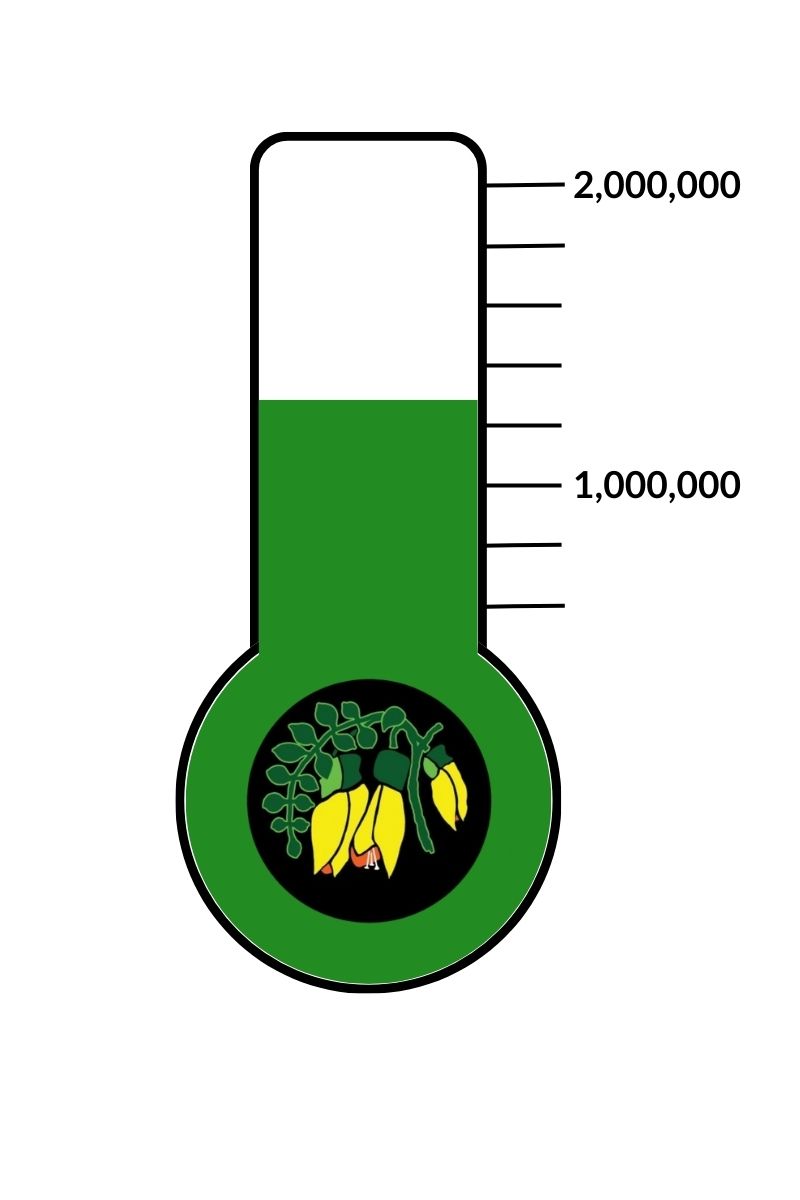
To date, we have donated over 1.25 million trees into the community

We are now over the half way mark to our goal of planting 2 Million trees in Canterbury and acknowledge the support from all those who have donated money and time planting trees. Thank you!